
Birds in the pacificThe Pacific has more threatened bird species per unit of land area, or per person, than any other region in the world. Pacific birds evolved on tiny oceanic islands, while in isolation from predators and competitors. They have been a subject to extermination by a range of introduced species. Although these threats are now better known and solutions are available, bird species are still threatened with extinction in the Pacific.
|
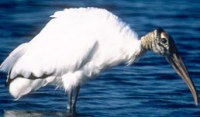 Much of the Pacific region’s biodiversity is threatened with
More about:
Habitat loss and degradation are threats African birds have to deal with.
Air pollution and human activities are the threats birds have to deal with in America.
The majority of Asian birds lives in forrests. These forrests are threatened by conversion to other land-uses and overexploitation. Therefor the birds are threatened by the same dangers.
Carrabean birds are threatened by erosion of pristine habitats and illegal trade of the birds.
Hunting and economic development are the majority of the causes that lead to death of birds in Europe.
Two threats to seabirds are longline fishing and oil spills.
|
News about airborne animal species |