Home Marine Life Turtles

Turtles

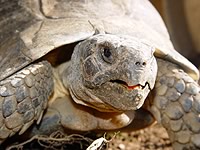
turtleThe Turtle is an ancient species, represented in the fossil record as far back as 200 million years ago. There are approximately 270 species in the world occupying all continents except Antarctica. Of these, approximately half are in need of some form of conservation action because they are threatened with extinction. The threats to turtles are habitat destruction, pollution, disease, and overexploitation by an increasingly hungry world. In the face of this onslaught, turtles face a more insidious threat: predicted global increases in temperature caused by greenhouse gases.

Even if turtles survive the possible effects of global climate change, they will still have to contend with other predicted changes. As cold-blooded animals, digestion rate, growth, reproduction and activity are all closely related to temperature. In addition, changing water levels in lakes, rivers and wetlands, could have major impacts on access to suitable nest sites and habitat. Their conservative evolutionary history suggests that they will not be able to adapt to rapid changes. Turtles may have outlived the dinosaurs, but it remains to be seen if turtles can survive in the modern world.

 

More about:

Entrapment in fishing nets and marine pollution are threats various dolphins have to deal with.
Commercial and 'scientific' whaling, as well as water pollution, still drives whales into an ongoing struggle for survival.

News about turtles


TWiST 9: Go Green, Slow Down, Have a Good Time - Hosts: Michael Coyne and Manjula Tiwari Don't listen to what we say, this is actually TWiST #9. We talk to J Nichols, president of the International Sea Turtle Society, about the upcoming sea turtle symposium in Loreto, Baja California Sur, Mexico.

More rangers a step in the right direction: WWF - WWF-Australia today welcomed the announcement from the Queensland state government that a further $5 million of federal funds would be spent on employing six new Indigenous rangers and to develop sustainable-take protocols for Traditional Owner hunting. WWF spokesperson Darren Grover said the state Government should now go further by matching the federal funding and extending the program to up to 30 rangers. “Today’s announcement recognises the importance of Indigenous ranger positions for closing the gap and tackling turtle and dugong poaching,” Mr Grover said. “It also provides employment and training opportunities for Indigenous communities.” “This is a good first step, but we need a co-ordinated network of Indigenous rangers that stretches across the length of the Great Barrier Reef.” Eddie Smallwood, Chairman of the Gudjuda Reference Group, representing Traditional Owners from the Whitsunday Islands through to Townsville, said the new rangers would be a welcome addition. “Traditional Owners have been doing great work tackling illegal poaching and responding to the current turtle and dugong starvation crisis,” Mr Smallwood said. “We already have an agreement with the State Government around turtle and dugong conservation but we lack the resources to do the monitoring and research and to work in with the Environment Protection Agency.” Mr Smallwood said currently most Indigenous ranger positions were located north of Townsville to the Cape and Torres Strait but more were needed south of Townsville. WWF has written to all major parties asking that they commit to $30 million of new investment over five years for Indigenous Ranger programs. These programs would include employment of 30 rangers in around 10 communities with support for junior rangers, ranger training and research into turtle and dugong biology and local habitat suitability. WWF has called on all Queenslanders to treat the upcoming state election as a referendum on the future health of the Great Barrier Reef. “All parties must demonstrate their commitment to turtle conservation and to protecting the Great Barrier Reef for the benefit of communities and the environment,” said Mr Grover. “Queensland’s coastal communities, fishing and tourism industries depend on a healthy Reef, and our world class marine environment deserves the best level of protection we can provide.” WWF-Australia contacts: Daniel Rockett, Media Officer, 0432 206 592, drockett@wwf.org.au

TWiST 8: Morocco & Gabon - Hosts: Michael Coyne, Matthew Godfrey and Manjula Tiwari Manjula regales us with tales from recent trips to Morocco and Gabon and brings us up to date on sea turtle activities in those countries. Show notes and links at http://www.seaturtle.org/twist/ Topics: Morocco field visits (nesting, strandings, bycatch) Mauritania Cape Verde Canary Islands Gabon TEDs workshop NMFS training and technology transfer Testing TEDs